If you grew up watching Saturday morning cartoons in the nineties or early two thousands, you probably remember a very specific style of animation. It was usually episodic, things went back to normal by the end of twenty minutes, and the characters looked, well, very American. But then something shifted. Slowly but surely, the shows we started seeing on networks like Nickelodeon or Cartoon Network began to feel a bit different. The eyes got bigger, the action scenes got more intense, and the stories started to span across entire seasons.
This wasn’t an accident. It was the massive wave of Japanese anime crashing into the Western world. Today, it is almost impossible to find a modern Western cartoon that doesn’t have at least a little bit of anime DNA in its system. From the way characters express their emotions to the deep, philosophical themes being explored, the influence is everywhere. It’s actually pretty cool to see how these two different worlds have blended into something entirely new.
The Visual Language of Emotion
One of the most obvious ways anime has changed Western animation is through visual shorthand. You know that thing where a character gets a giant blue sweat drop on their head when they are embarrassed? Or when their eyes turn into flaming sparks when they are angry? That stuff used to be strictly for Japanese shows. Now, you see it in everything from Steven Universe to The Amazing World of Gumball.
Western creators realized that these exaggerated expressions are incredibly effective at conveying how a character feels without needing a bunch of dialogue. It adds a layer of humor and relatability that the old, stiff animation styles just couldn’t reach. It makes the characters feel more alive and expressive. I think it also helps younger audiences connect with the emotional core of a story much faster. It is a universal language that doesn’t really need a translation.
Serialized Storytelling and Epic Stakes
Back in the day, most Western cartoons were what we call episodic. You could watch episode ten and then episode fifty and not really feel like you missed anything important. Anime changed that by bringing in long form storytelling. Shows like Avatar The Last Airbender are the perfect example of this. That show has a clear beginning, middle, and end, with characters who grow and change based on their past traumas and victories.
This shift allowed Western cartoons to tackle much more complex themes. We started seeing shows that dealt with loss, war, and identity in ways that were previously reserved for live action dramas. Modern creators aren’t afraid to let their characters fail or suffer consequences that last for more than one episode. It makes the viewing experience so much more rewarding because you feel like you are on a genuine journey with these people. You’re not just killing time, you’re invested in a saga.
The Aesthetic of the Action Scene
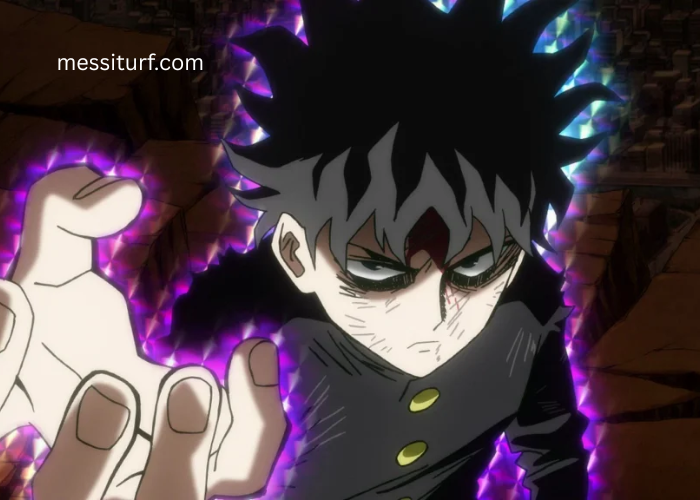
If you watch an action scene in a modern show like Voltron Legendary Defender or She Ra, you can see the “Sakuga” influence. Sakuga is a term used in the manhuasy anime community to describe moments of exceptionally high quality animation, usually during a fight or a high emotion sequence. It often involves dynamic camera angles, speed lines, and a sense of weight and impact that feels very visceral.
Western animators have really leaned into this. They’ve moved away from the static, repetitive loops of the past and started experimenting with perspective and choreography. You see a lot more “camera” movement within the animation now. It makes the battles feel epic and high stakes. It’s not just about two characters punching each other anymore. It’s about the flow of movement and the artistic expression of power. Even shows that are mostly comedies will suddenly drop a high octane anime style fight scene just for the fun of it.
Genre Blending and Diverse Worlds
Anime is famous for its weird and wonderful genres. You have magical girls, giant robots, slice of life, and supernatural mysteries all mixed together. Western cartoons have taken note and started getting much weirder with their premises. We now have shows that blend high fantasy with sci fi or horror with comedy in ways that feel very inspired by the experimental nature of Japanese media.
Adventure Time is a great example of this. It started as a simple show about a boy and a dog, but it turned into this massive, surreal world with deep lore and bizarre characters that felt like they walked straight out of a Studio Ghibli film. This willingness to push the boundaries of what a “kids show” can be has opened the door for a lot of creativity. Creators now feel like they have the permission to build these intricate, strange universes because they know the audience is ready for it.
The Legacy of the Global Fanbase
At the end of the day, the biggest reason for this influence is that the people making cartoons today were the kids who grew up watching Dragon Ball Z and Sailor Moon. It is a generational shift. These directors and artists are fans themselves, and they naturally want to pay homage to the art that inspired them to pick up a pencil in the first place.
It’s a beautiful cycle of creativity. Japan took inspiration from early Disney and Fleischer studios, and now the West is taking that energy back and turning it into something fresh. This cross cultural exchange has made the world of animation so much richer. It proves that good stories and striking art don’t have borders.
A Final Thought on the Animation Fusion
It is a really exciting time to be a fan of animation. The line between what is a “cartoon” and what is “anime” is getting blurrier every single day, and honestly, that is a good thing. We are getting the best of both worlds. We get the heart and humor of Western writing combined with the visual flair and structural depth of Japanese storytelling.
Whether you are a hardcore otaku or just someone who occasionally watches a show on a Sunday afternoon, you are benefiting from this influence. It has raised the bar for everyone in the industry. As long as creators keep looking across the ocean for inspiration, we can expect to see even more amazing, boundary pushing shows in the future. It’s not about copying a style, it’s about learning a new way to tell a story, and I for one can’t wait to see where it goes next.