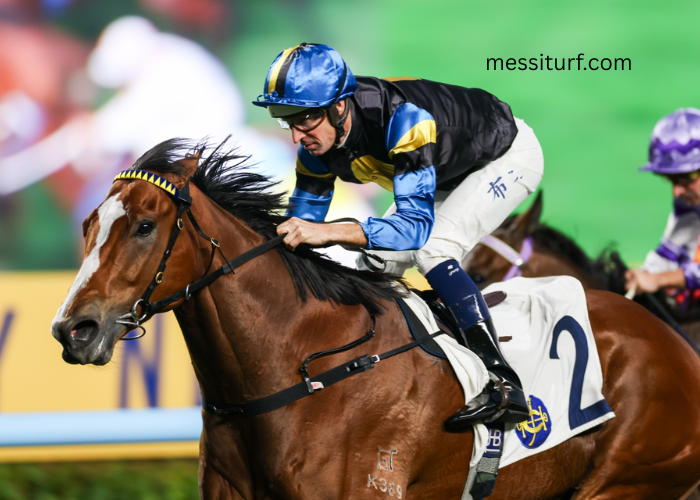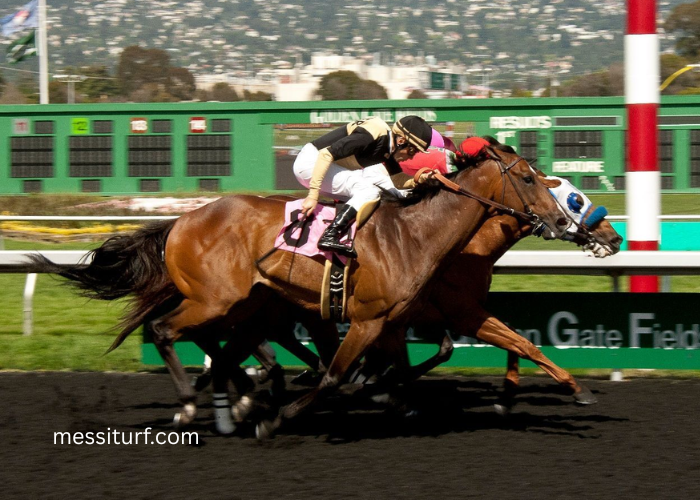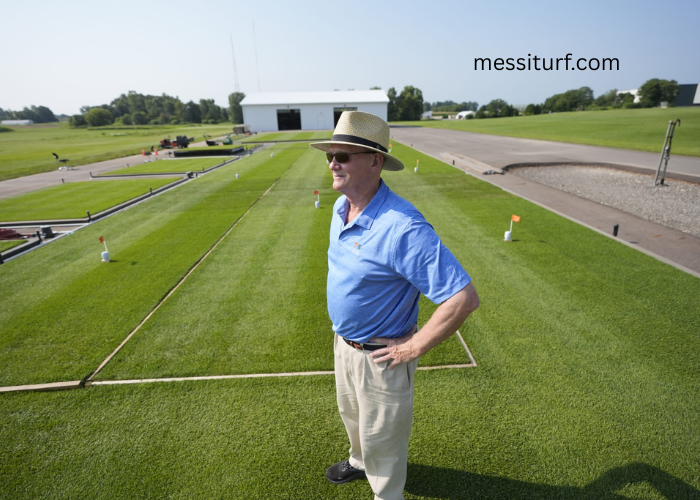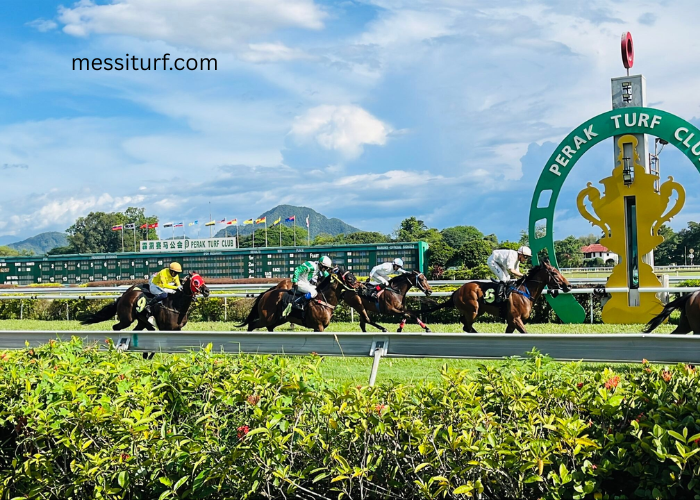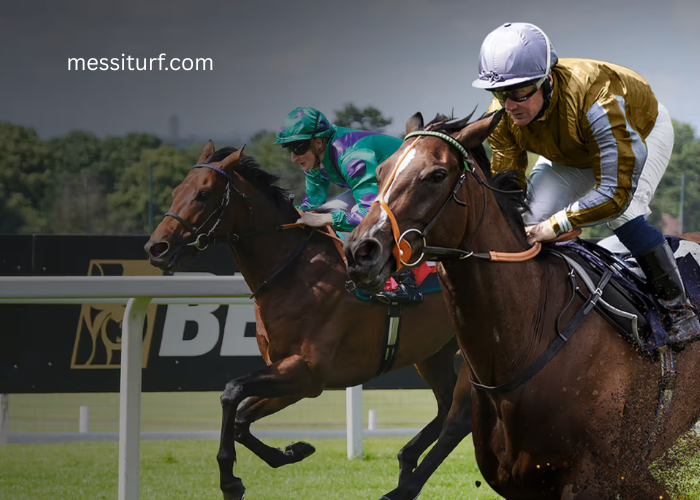
There’s something about the sound of hooves thundering over a lush green field that just feels right. If you’ve ever stood near the rail at a grass track, you know what I mean. It’s a softer, more rhythmic sound compared to the hollow drumming of a dirt track. While many fans in North America grew up with dirt racing being the main event, the rest of the world has been obsessed with racing on the “turf” for centuries. In fact, if you go back to the very beginning, grass is where it all started. It is the original surface, the one nature provided, and its history is as deep and rich as the soil itself.
The Royal Roots in Great Britain
We really have the British to thank for the way turf racing looks today. Way back in the 1500s and 1600s, royalty in England started getting serious about testing their horses. King James I was a huge fan, but it was King Charles II who really kicked things into high gear. He loved the sport so much that he’d often ride in the races himself at Newmarket. Back then, they weren’t building fancy synthetic tracks or hauling in tons of specialized sand. They just used the open fields and rolling downs that were already there.
The grass was the natural choice because it was plentiful and provided a decent cushion for the horses. These early races weren’t the short sprints we see on TV now either. They were long, grueling tests of stamina that could go on for miles. Because the ground was uneven and the grass could be thick, breeders began to look for horses that had “staying power.” This focus on endurance over several miles of green turf eventually led to the creation of the Thoroughbred breed we know today.
How the Turf Shaped the Modern Thoroughbred
It’s interesting to think about how a surface can actually change the biology of an animal. Because grass racing in Europe and the Middle East required a horse to handle different types of “going” (that’s just a fancy track word for how wet or dry the grass is), the horses evolved to be leaner and more athletic. On the turf, a horse needs a huge lung capacity and a specific kind of acceleration.
In the 1700s, the English Jockey Club was formed, and they started keeping track of these bloodlines in the General Stud Book. Every single Thoroughbred racing on grass today can trace its roots back to three specific stallions brought to England during this time. These horses were the foundation of everything. When people talk about “turf pedigrees,” they’re talking about centuries of breeding specifically designed to handle the nuances of running on living plants rather than packed earth.
The Spread of Grass Racing Across the Globe
As the British Empire expanded, they took their love for grass racing everywhere they went. This is why countries like Australia, Hong Kong, and South Africa are almost exclusively turf racing nations today. In Australia, for example, the Melbourne Cup is run on a massive grass track and it literally stops the entire nation. For them, racing on anything else would feel a bit strange.
Europe remained the stronghold, though. Places like observateur turf pmu Longchamp in France or Ascot in England became the cathedrals of the sport. These tracks aren’t perfectly flat ovals like the ones we see in the States. They have hills, sharp turns, and long uphill climbs. Racing on grass in these places is like a game of chess. The jockeys have to worry about the wind, how deep the grass is in certain spots, and when to ask the horse for that final burst of speed. It’s less about raw power and more about timing and finesse.
The Cultural Shift in North America
For a long time, the United States was the odd one out. We fell in love with dirt tracks because they were easier to maintain in our varied climates. But over the last fifty years or so, we’ve seen a massive comeback for the turf. Major tracks like Saratoga, Belmont, and Santa Anita started putting more money into their grass courses. They realized that fans love the variety and that some horses are just “grass specialists.”
You can see this shift in the Breeders’ Cup, which is like the world championships of racing. Several of the most important and high paying races in that event are now held on the turf. We’ve stopped looking at grass as a secondary option and started seeing it as the elite surface it has always been. It’s brought a more international flavor to our racing, with horses from all over the world flying in to compete on our turf.
Why Grass Racing Still Feels Special
Even with all the technology we have today, there is no way to perfectly replicate a good grass course. It’s a living, breathing thing. Every day is different depending on the weather and how much the grass has grown. For the fans, there’s a certain elegance to it. It feels a bit more old school, like you’re stepping back in time to the days of kings and queens.
There’s also the safety aspect that people talk about a lot lately. Many experts believe that a well maintained turf course is easier on a horse’s joints because the grass provides a natural shock absorption that you just don’t get with dirt. Whether that’s the main reason it’s growing in popularity or not, it’s clear that turf is here to stay.
A Lasting Legacy
Looking back, it’s amazing to see how far we’ve come from those informal gallops in the English countryside. Grass racing has survived wars, economic shifts, and changing tastes, yet it remains the gold standard for much of the world. It’s a sport that celebrates the relationship between the animal, the rider, and the land itself.
Next time you see a race on the grass, take a second to appreciate the history behind it. From the royal stables of the 1600s to the high tech tracks of today, the turf has been the stage for some of the greatest athletes in history. It’s a beautiful, green tradition that doesn’t show any signs of slowing down, and honestly, the sport is much better off because of it.