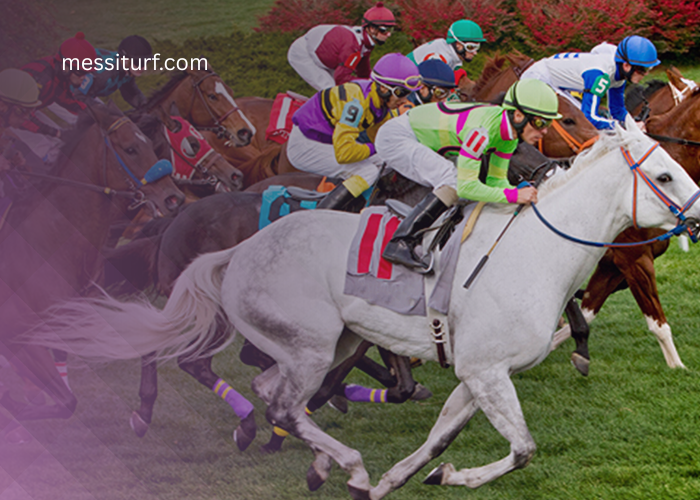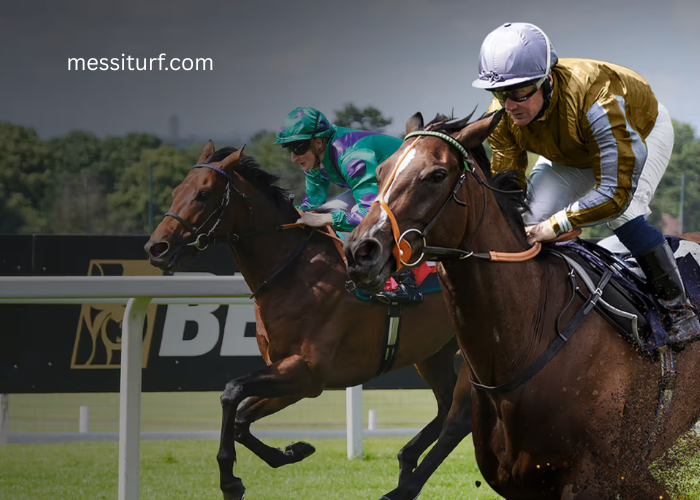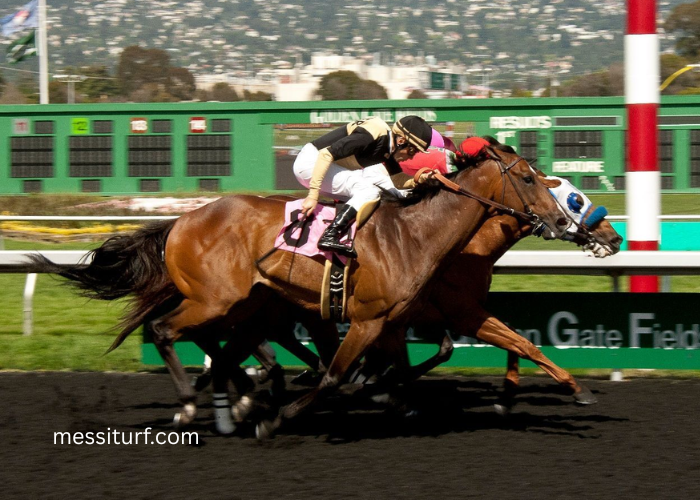
If you have spent any time around a stable lately, you know that horse people love to talk. We talk about tack, we talk about feed, and we especially love to talk about footing. Lately, the big topic in the barn aisle is synthetic horse turf. It seems like everyone has an opinion on it, and half of those opinions are based on things someone heard from a friend of a friend ten years ago. It is funny how fast rumors can spread in the equestrian world until they start feeling like absolute facts.
Choosing the right surface for your arena or paddocks is a massive decision. It is expensive, it is permanent, and it directly affects your horse’s health. That is why it is so important to separate the campfire stories from the actual reality of modern materials. If you are on the fence about synthetic options, let’s clear the air and look at what is actually true.
It Is Too Hot For Summer Use
One of the biggest things I hear is that synthetic turf will basically turn your arena into a giant frying pan the second the sun comes out. People worry that the fibers will trap heat and cook a horse’s hooves. While it is true that older, cheap versions of artificial grass used in sports stadiums could get pretty toasty, the stuff made for horses today is a completely different animal.
Modern synthetic turf is often engineered with cooling technologies and specific infills that do not absorb heat the same way black rubber does. In many cases, a well ventilated synthetic arena can actually feel cooler than a baked, hard packed sand ring that has been sitting in the sun all day. Plus, because you do not have to soak it with water constantly to keep the dust down, you are not creating that miserable humidity that often hovers over traditional rings in July.
Synthetic Surfaces Are Slippery
This myth probably comes from watching old movies where someone slips on a plastic rug. In the horse world, traction is everything. If a horse does not feel secure, they will not move out properly, and you risk a serious injury. Some riders worry that synthetic fibers are too slick for high speed work or tight turns.
The reality is that synthetic turf for horses is designed with a specific texture to mimic the “shear” of natural grass. It is not just flat plastic. When combined with the right sand or specialized infill, it actually provides a very predictable and stable grip. I have seen horses do full sliding stops and tight jumper turns on these surfaces without a single flinch. It is all about the quality of the installation and making sure the “pile” of the turf is supported correctly.
It Is Hard To Clean And Maintain
I think some people imagine that a synthetic surface is like a giant carpet that you have to vacuum every day. They worry about what happens when a horse inevitably makes a mess. Actually, maintenance is one of the biggest selling points for these surfaces. You do not have to spend hours every week dragging the ring with a heavy tractor to keep it level.
For the most part, you just need to pick up manure quickly, which you should be doing anyway regardless of your surface. Because the élimination des chevaux turf does not shift like loose sand, you do not get those deep ruts or “bowls” in the high traffic areas. Rain actually helps keep it clean by washing dust through the drainage holes. It is much more of a “set it and forget it” situation compared to sand which requires constant watering and harrowing to stay rideable.
Synthetic Turf Causes More Injuries
There is a weird idea floating around that synthetic surfaces are “unnatural” and therefore bad for a horse’s legs. Some folks think it is too bouncy or too firm. But if you talk to vets who specialize in lameness, they will tell you that inconsistency is what actually kills a horse’s soundness.
Traditional dirt or sand rings can have hidden hard spots or deep bogs that catch a hoof and strain a ligament. Synthetic turf is incredibly uniform. Every stride is exactly the same as the last one. This consistency reduces the shock on joints and prevents those sudden “slips” that lead to soft tissue tears. It provides a nice bit of cushion without being “mushy,” which is exactly what you want for a horse that is working hard.
It Is Bad For The Environment
People see the word “synthetic” and immediately think of plastic waste clogging up the earth. It is a valid concern in today’s world. However, you have to look at the total footprint. Think about the thousands of gallons of water a traditional sand arena gulps down every single week just to keep the dust at bay. In drought prone areas, that is a huge environmental cost.
Many modern horse turfs are made from recycled materials and are designed to last for decades. Because they do not require chemical stabilizers or constant watering, they can actually be a greener choice over a twenty year period. Also, since they drain so well, you do not get the same kind of runoff issues with silt and sediment washing into local streams like you do with traditional dirt lots.
Conclusion
At the end of the day, there is no such thing as a “perfect” surface that works for every single person, but synthetic horse turf is definitely not the villain some people make it out to be. It is a durable, low maintenance, and very safe option for a lot of riders. If you are tired of fighting dust in the summer and mud in the winter, it is worth looking past the myths and seeing the tech for what it really is. Your horse might just find it is their favorite place to work.