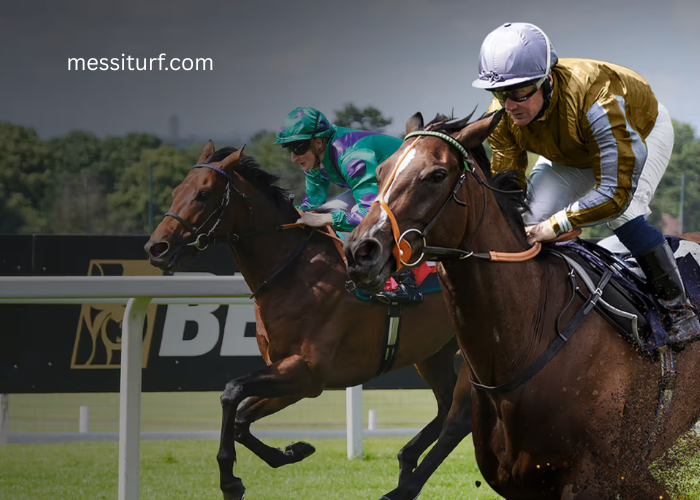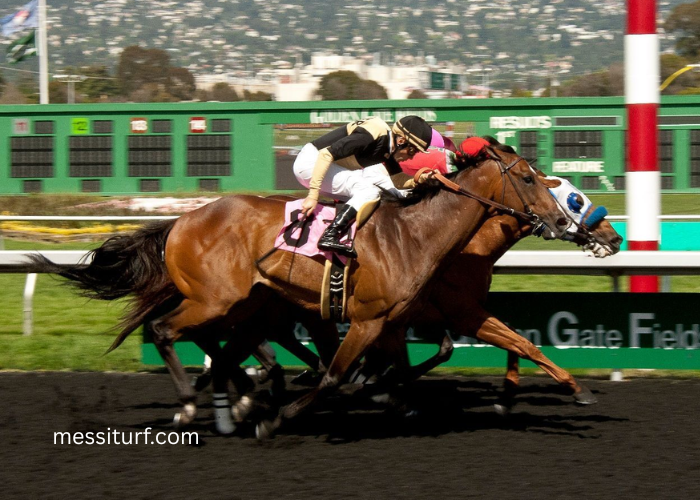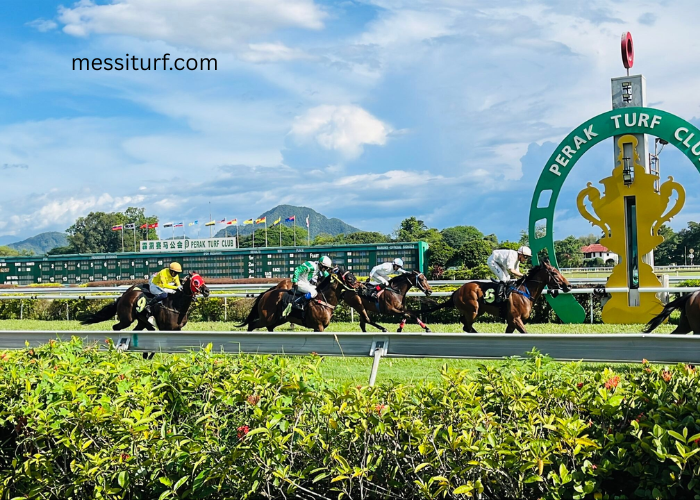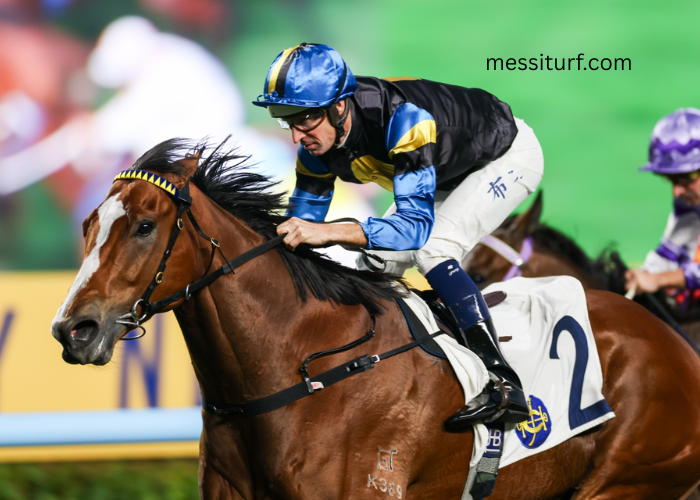
If you have ever spent a morning at the racetrack when the mist is still hanging over the grass, you know there is a certain magic to turf racing. It feels more elegant than dirt racing, almost like a chess match played out at forty miles per hour. But while we all love to cheer for the horses, the real masterminds are the trainers standing quietly by the rail with their binoculars. Training a horse to win on the grass is a completely different beast than training one for the dirt. It takes a certain kind of patience and a very specific set of skills. Some of the most iconic trainers in history have made this their life’s work, and they definitely have a few tricks up their sleeves that the rest of us are still trying to figure out.
The Art of European Style Conditioning
When you look at the legends of turf training, many of them draw inspiration from the way things are done across the pond. In Europe, horses don’t just run in circles on a flat track. They run up hills, across open fields, and on varying types of grass. Iconic trainers like Aidan O’Brien or the late Sir Henry Cecil understood that a turf horse needs to be more than just fast. They need to be incredibly fit in a way that allows them to handle changes in terrain.
The secret here is often long and slow gallops. Instead of just drilling for speed, these trainers focus on building a massive cardiovascular base. They want the horse to be able to breathe through the race without hitting a wall. If you ever see a horse that looks lean and tucked up but still has plenty of muscle, that is likely the result of this grueling conditioning. It is about making the horse tough enough to handle a long stretch run without their legs turning to jelly.
Patience and the Long Game
One thing you’ll notice about the top turf trainers is that they rarely rush their horses. Grass horses often peak much later than dirt horses. While a dirt trainer might be pushing a two year old to be a superstar, a great turf trainer like Charlie Appleby might wait until the horse is four or five before they really turn up the heat.
This patience is a secret in itself. They allow the horse’s bones and tendons to fully mature on the softer surface. By not overworking them early on, they ensure the horse stays sound and mentally happy. It is a bit like letting a fine wine age. You might not see the results immediately, but when that horse finally hits their stride as a seasoned veteran, they are almost impossible to beat. They have the mental maturity to handle the big crowds and the tactical awareness to find holes in the pack.
Understanding the Individual Personality
Every horse is different, but pmumalins turf horses seem to have particularly quirky personalities. Some love the rain while others won’t run a step if their feet get even a little bit wet. Iconic trainers are essentially horse whisperers in this regard. They spend hours just watching how a horse behaves in the stall or during a light trot.
The secret often lies in the gear they use. You might see a trainer suddenly add blinkers or change a bit, and people wonder why. Usually, it is because they’ve noticed the horse getting distracted or being too aggressive in the early stages of a race. A trainer like Todd Pletcher or Chad Brown is a master at making these tiny adjustments that the average fan wouldn’t even notice. They know exactly what makes each individual tick, and they tailor the training program to fit the horse rather than forcing the horse to fit the program.
The Strategy of the Surface
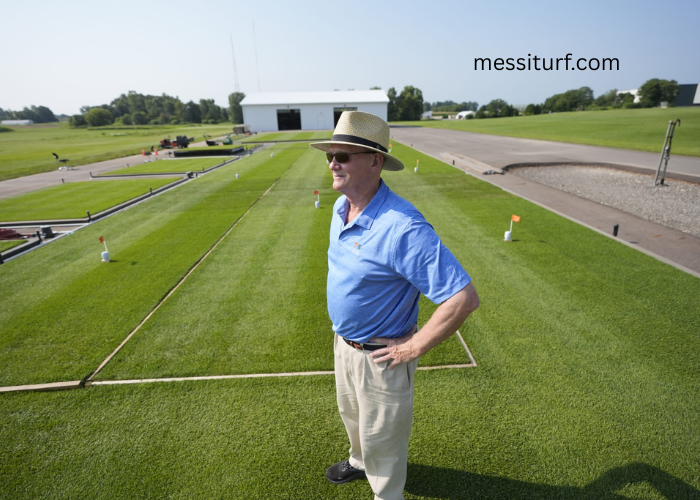
The grass itself is a huge factor, and iconic trainers are basically amateur botanists. They know that “firm” turf in California is nothing like “soft” turf in New York or Kentucky. They pay close attention to the moisture levels and how the grass is cut.
The real secret here is knowing when to scratch a horse. A legendary trainer isn’t afraid to pull a horse out of a race if the ground isn’t exactly right. They know that one bad run on the wrong surface can ruin a horse’s confidence for months. It takes a lot of guts to tell an owner that their horse isn’t running today, but that kind of integrity is what builds a championship stable. They protect their athletes first and worry about the trophies second.
Keeping the Mind Fresh
Finally, the best trainers know that turf racing can be mentally exhausting for a horse. Being bunched up in a tight pack at high speeds is stressful. To combat this, many iconic trainers incorporate variety into the daily routine. They might take the horse for a walk through the woods or let them spend more time in a grassy paddock just being a horse.
The secret to a long career on the turf is a happy mind. If a horse starts to hate their job, no amount of physical training will make them win. Trainers who treat their horses like partners rather than tools are the ones who end up in the Hall of Fame. They keep things fresh and fun, which translates to a horse that is willing to give that extra gear when the finish line is in sight.
A Legacy Written on the Grass
Watching these trainers work is a reminder that horse racing is as much an art as it is a science. There are no shortcuts to success on the turf. It is a world built on observation, time, and a deep respect for the animal. While we might never know every single secret they hold, the results speak for themselves every time one of their horses cruises to a victory. It is a beautiful thing to witness, and it’s why we keep coming back to the track year after year.