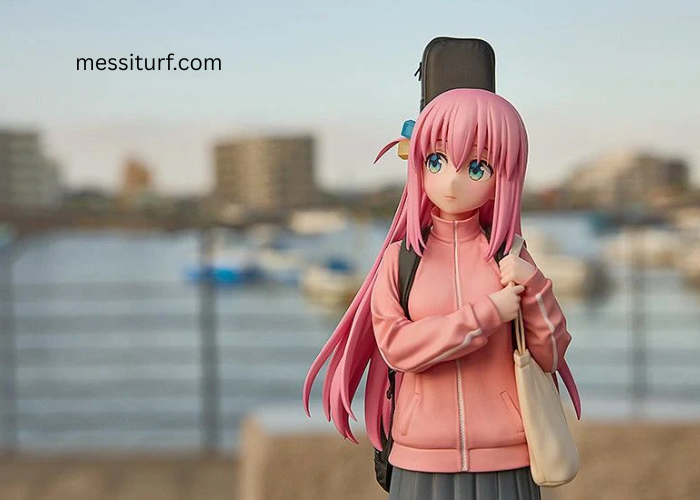
So, you’ve finally decided to take the plunge. Maybe you just finished a show that absolutely blew your mind, or perhaps you saw a gorgeous statue on someone’s shelf and thought, “I need that in my life.” Welcome to the club. Collecting anime figures is a hobby that starts with just one little purchase and somehow ends with you wondering where all your shelf space went. It is incredibly rewarding to see your favorite characters brought to life in three dimensions, but it can also be a bit of a minefield if you’re just starting out.
When I first started, I had no idea what the difference was between a twenty dollar prize figure and a three hundred dollar scale. I made some mistakes, bought some things I probably shouldn’t have, and learned a lot along the way. This guide is here to help you skip those growing pains and build a collection you actually love looking at every day.
Understanding the Different Types of Figures
The first thing you’ll notice when browsing online is the massive price gap between different items. It isn’t just people being greedy; there are actually distinct categories of figures. The most common one for beginners is the Prize Figure. These are originally meant to be won in crane games in Japan. They are usually made of PVC and might have some visible seam lines, but honestly, the quality has improved so much lately. They are perfect if you’re on a budget.
Then you have Nendoroids and Pop Up Parade figures. Nendoroids are those cute, “chibi” style figures with big heads and swappable parts. They’re super fun to pose, though the tiny pieces can be a bit of a pain to keep track of. Pop Up Parade is a newer line that sits right in the middle. They are fixed poses, high quality, and usually cost around forty or fifty dollars. Finally, there are Scale Figures. These are the crown jewels. They are perfectly painted, highly detailed, and usually quite large. They cost a lot more, but the craftsmanship is often breathtaking.
Avoiding the Curse of the Bootlegs
This is probably the most important thing I can tell you. The world of anime figures is sadly full of fakes, often called bootlegs. These are unauthorized copies made with cheap materials and terrible paint jobs. Not only do they look bad, but they can actually be made with toxic plastics that smell like a tire fire. Plus, none of that money goes back to the creators of the anime you love.
A good rule of thumb is that if a price looks too good to be true, it definitely is. If you see a high end scale figure that normally sells for two hundred dollars listed on a random site like manhwaclan for twenty bucks, run away. Always check for official stickers on the box, like the Kodansha or Toei labels. Buying from reputable hobby shops is the best way to keep your collection “legit.” It’s better to have three real figures than twenty fakes that look like they’re melting on your shelf.
Space Management and Display Tips
You might think you have plenty of room right now, but trust me, these things multiply. Before you know it, every flat surface in your room is covered in plastic. When you’re starting out, it’s worth thinking about where they’ll actually live. Dust is the mortal enemy of any collector. If you leave figures out on an open shelf, you’ll be spending half your life with a makeup brush cleaning them off.
A lot of collectors swear by glass cabinets. The most famous one is the Detolf from IKEA, though they’ve changed their designs lately. Having a closed glass case keeps the dust away and makes your collection look like a museum exhibit. Also, try to keep them away from direct sunlight. UV rays are brutal on paint and can make colors fade or turn white plastic into a nasty yellow over time. Your figures will thank you for keeping them in the shade.
The Preorder Game and Patience
In this hobby, patience is more than just a virtue; it is a requirement. Most high end figures are sold through preorders. This means you might pay for a figure today that doesn’t actually ship for another year. It feels like a long time, but that’s just how the production cycle works. If you wait until a popular figure is actually released, the price might double on the after market because the supply is so limited.
Learning to manage your preorders is a skill. It’s easy to get excited and click “buy” on everything, but remember that those bills will eventually come due. I like to keep a spreadsheet of what I’ve ordered and when it’s supposed to arrive. It helps prevent that heart attack when three different two hundred dollar figures all ship in the same month.
Finding Your Own Style
Don’t feel like you have to collect every character from every show you watch. Some people only collect their “waifu” or “husbando,” while others focus on a specific aesthetic, like only black and white figures or only villains. There’s no right way to do it. Your collection should reflect your personal taste. I’ve found that my favorite pieces aren’t always the most expensive ones. Sometimes it’s a small figure that reminds me of a specific scene that made me cry or laugh. Take your time and don’t rush to fill up your shelves all at once. The hunt for that perfect figure is half the fun anyway.
A Satisfying End to the Journey
Collecting anime figures is a wonderful way to express your fandom and brighten up your living space. It’s a hobby that connects you with a huge community of people who appreciate art and storytelling just as much as you do. As long as you shop smart, watch your space, and stick to your budget, you’ll find it’s one of the most enjoyable things you can do with your spare cash. Just remember to enjoy the process and don’t let the “FOMO” get to you. Happy hunting!