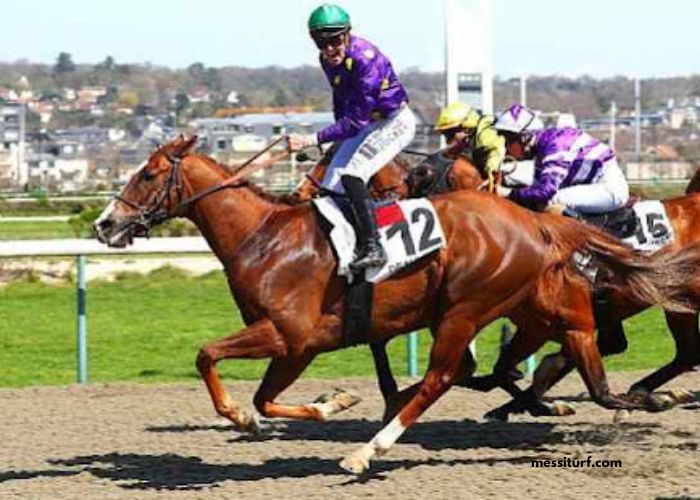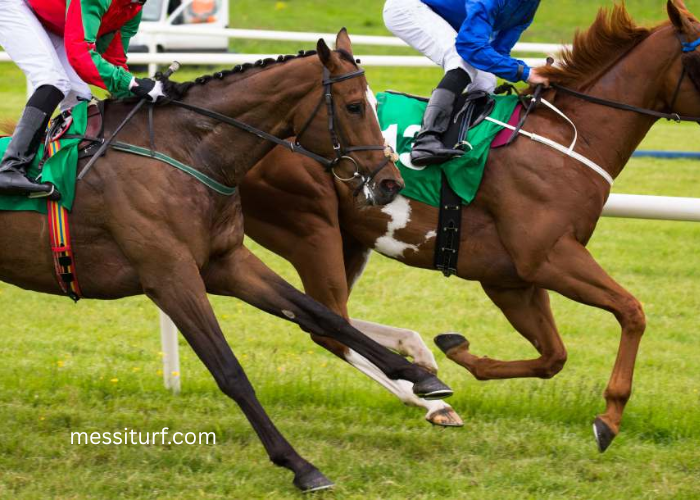
Horse turf is a term used in horse racing to describe races that take place on natural grass surfaces. Unlike dirt or synthetic tracks, turf tracks are made of carefully maintained grass, providing a softer and more natural running surface for horses. Turf racing is especially popular in regions like Europe and parts of Asia, where many prestigious races are held on grass tracks.
Understanding Horse Turf
In simple terms, horse turf refers to the grass track on which horses run during a race. These tracks are specifically designed and maintained to ensure safety, performance, and consistency. The grass is regularly trimmed, watered, and monitored to keep it in optimal condition. Turf tracks are valued for their natural feel, which closely resembles the environment horses would experience in the wild. This makes them comfortable for many horses and often results in smoother races.
How Turf Differs from Other Surfaces
Horse racing is typically conducted on three main types of surfaces: turf, dirt, and synthetic. Turf tracks are softer and more forgiving, which can reduce stress on a horse’s legs. Dirt tracks are generally faster but harder, making them more suitable for speed focused races. Synthetic tracks are man made surfaces designed to provide consistency regardless of weather conditions. Each surface affects how a race is run. Turf racing tends to be more strategic, while dirt racing often emphasizes speed from the start.
Track Conditions Explained
One of the most important aspects of pmumalin horse turf is the condition of the grass. The state of the turf can change depending on weather and maintenance. A firm turf is dry and fast, allowing horses to run at higher speeds. Good turf offers a balanced surface that is neither too hard nor too soft. Soft or heavy turf occurs after rain, making the track slower and requiring more effort from the horses. Understanding these conditions is important because different horses perform better on different types of turf.
Why Turf Racing Is Popular
Turf racing is known for its elegance and tradition. Many of the world’s most famous races are held on grass tracks, attracting top horses and jockeys. Another reason for its popularity is safety. The softer surface of turf tracks can reduce the impact on horses’ legs, lowering the risk of injuries. This makes it a preferred choice for many trainers and owners. Turf tracks are also visually appealing, offering a lush green setting that enhances the viewing experience for spectators.
Key Factors That Affect Performance
Several factors influence how horses perform on turf tracks.
Horse breed plays a major role, as some breeds are better suited to grass surfaces. Training is also important, as horses need to adapt to the unique challenges of running on turf.
Jockey strategy becomes crucial in turf racing. Since these races often involve pacing and positioning, jockeys must decide when to conserve energy and when to push forward.
Weather conditions can also impact the turf, affecting how the race unfolds.
Beginner Tips for Watching Turf Racing
If you are new to horse turf racing, start by paying attention to track conditions and horse performance history. Watching how different horses handle various turf conditions can help you understand the sport better. It is also useful to observe jockey tactics, especially in longer races where timing plays a key role. Over time, you will begin to recognize patterns and strategies that make turf racing unique.
Final Thoughts
Horse turf is an essential part of horse racing, offering a natural and strategic environment for competition. Its softer surface, changing conditions, and emphasis on skill make it different from other racing formats. For beginners, understanding the basics of turf racing can greatly enhance the enjoyment of the sport and provide a deeper appreciation for its complexity and tradition.