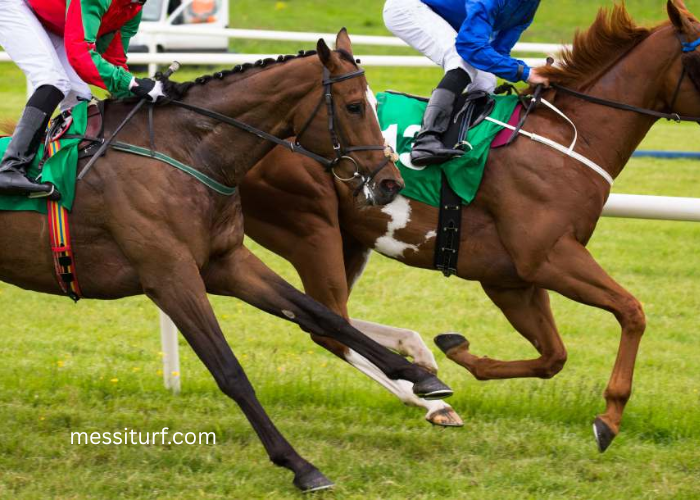
Turf racing, or horse racing on grass tracks, is one of the oldest and most respected forms of equestrian sport. Its history spans centuries, with roots in Europe and gradual expansion across the globe. Unlike dirt or synthetic tracks, turf racing offers unique challenges and elegance, making it both a competitive and visually captivating sport. Over time, turf racing has developed distinct traditions, rules, and iconic events that have shaped its global significance.
Early Origins in Europe
The origins of turf racing can be traced back to Europe, particularly England, where organized horse racing began in the 17th century. English turf races were often held on natural grasslands, and events became social gatherings for nobility and aristocrats. Horses were carefully bred for speed, stamina, and agility, and races were often long and strategically demanding. By the 18th century, turf racing had become a formalized sport with standardized rules, leading to the establishment of famous events such as Royal Ascot, which continues to be a symbol of prestige in modern racing.
Turf Racing in Other Continents
Following its popularity in Europe, turf racing spread to other continents. In North America, grass tracks were common before dirt tracks became the dominant surface in the United States. Canada, however, retained many turf racing traditions, with events that highlighted both the skill of horses and the strategy of jockeys.
In Asia, countries such as Japan, Hong Kong, and India developed their own turf racing culture. Japan introduced turf racing in the 19th century, and today, Japanese turf races are known for their highly competitive fields in observateur du turf and precise training techniques. Similarly, Hong Kong has become a hub for high-profile turf races, attracting international participants and spectators, while India maintains a strong tradition of grass racing in cities like Kolkata and Mumbai.
Evolution of Turf Racing Practices
Over time, the practices and techniques associated with turf racing have evolved significantly. Horse breeding became more specialized, focusing on traits that excel on grass surfaces, such as smooth strides and agility. Jockeys developed refined strategies for pacing, navigating turns, and managing track conditions, while trainers optimized training routines for endurance and adaptability. Turf courses themselves have become meticulously maintained, with attention to grass quality, drainage, and track firmness to ensure safety and consistency in races.
Iconic Global Turf Events
Several turf races have gained international recognition, drawing elite horses, jockeys, and audiences from around the world. The Royal Ascot in England, the Prix de l’Arc de Triomphe in France, and the Melbourne Cup in Australia are celebrated not only for their competition but also for their history, tradition, and cultural significance. These events reflect the evolution of turf racing from a regional pastime to a global sport that combines skill, strategy, and spectacle.
The Appeal of Turf Racing Today
Turf racing continues to captivate audiences due to its blend of athleticism, strategy, and elegance. The visual beauty of horses galloping on green tracks adds to its charm, while the unpredictability of races keeps fans engaged. Modern turf racing also benefits from advanced technology, including real-time tracking, video analysis, and enhanced safety measures, making it both competitive and spectator-friendly. The sport has maintained its heritage while adapting to contemporary standards, ensuring its popularity around the world.
Conclusion
The history of turf racing is a story of tradition, innovation, and global expansion. From its early beginnings in European grasslands to international events in Asia, North America, and Australia, turf racing has evolved into a sophisticated sport that combines strategy, skill, and elegance. Its enduring appeal lies in the balance between competition and beauty, making it a unique form of horse racing that continues to capture the imagination of fans worldwide. For those interested in equestrian sports, understanding the history of turf racing offers insight into the development of a sport that has thrived across centuries and continents.