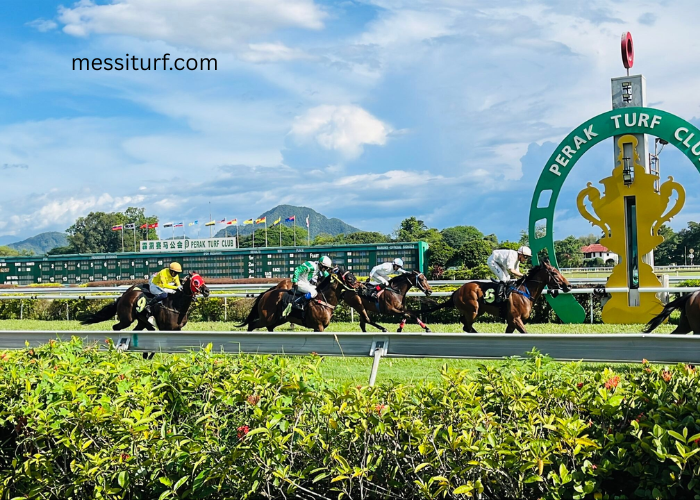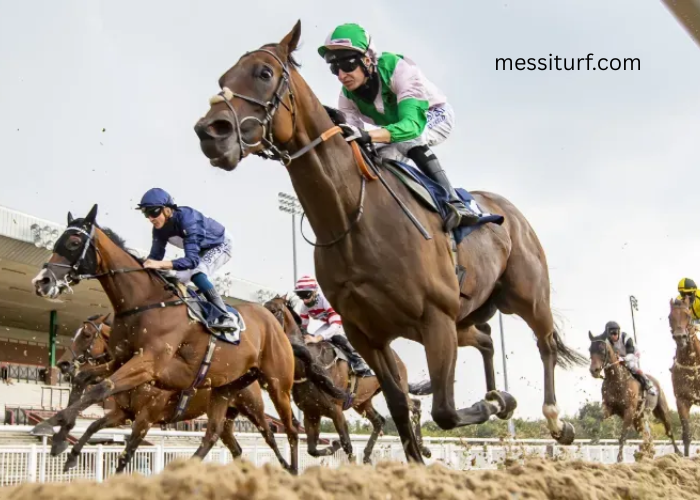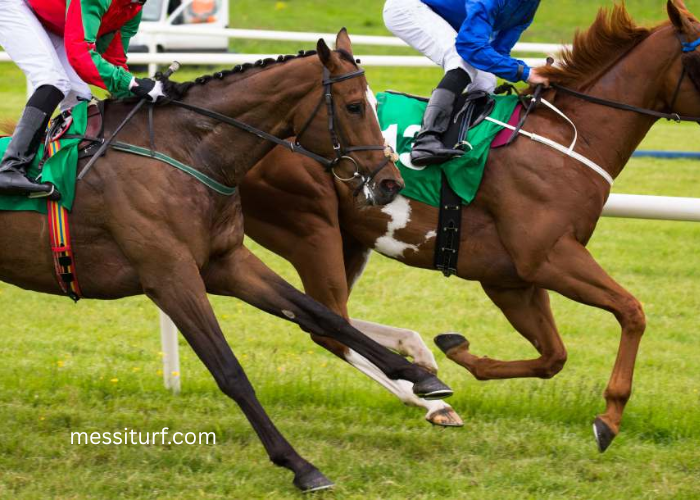
If you have ever stood by the rail at a horse track when the field swings into the homestretch, you know that sound. It is a mix of thundering hooves, jockeys shouting, and the literal wind whipped up by a dozen massive athletes. But not every turf course is created equal. Some tracks feel like big, sweeping highways where a horse has all the room in the world to find their stride. Others? Well, they feel more like trying to drive a semi truck through a fast food drive thru lane.
In North America, we have a unique obsession with tight, oval tracks. While European courses are often massive and irregular, our turf racing frequently happens on the inside of the main dirt track. This creates some incredibly sharp turns that can make or break a horse’s chances. If a runner isn’t agile or doesn’t have a brave jockey willing to dive into a tiny gap, those tight corners will eat them alive. Let’s look at five of the most challenging, tightest turf turns you will find on this side of the Atlantic.
The Bullring Style of Charles Town
While many people think of the bigger tracks first, you cannot talk about tight turns without mentioning Charles Town. It is famous for its six furlong layout, which basically means the entire race feels like one long, continuous left hand turn. When they run on the turf here, it is even more intense. It really is a “bullring” in every sense of the word.
Horses that are used to the big, wide open spaces of Belmont or Saratoga often struggle here. They get dizzy just looking at the configuration. You need a horse that can corner like they are on rails. If a horse drifts out even a few feet on these turns, they might as well be in another zip code by the time they hit the wire. It is a specialized skill, and jockeys who ride here regularly have a huge advantage because they know exactly when to lean into the curve.
Pimlico and the Tight Inner Course
Everyone knows Pimlico because of the Preakness, but the turf course there is a bit of a hidden nightmare for long striding horses. The inner turf at Old Hilltop is notorious for being narrow and having very sharp corners. Because the track is older, it doesn’t have that modern, banked feeling you see at newer facilities.
I have watched so many favorites get trapped on the inside here. Because the turns are so sharp, the field tends to bunch up. If you are stuck behind a slow horse on the turn, there is nowhere to go. You either have to wait for a miracle or swing five wide, which is basically a death sentence on a track this tight. It really favors those “handy” horses that can stop and start their momentum quickly.
The Intimacy of Saratoga Inner Turf
Saratoga is the graveyard of favorites for a reason, and a big part of that is the inner turf course. While the outer Mellon course is a bit more forgiving, the inner one is famously tight. During the summer meet, the grass gets firm and fast, and if you aren’t in the top three positions when the field hits that final turn, you are probably going to have a bad afternoon.
What makes Saratoga so tricky is the speed. The turns come at you fast. It feels like as soon as you settle into the backstretch, you are already leaning into the far turn. It is high energy and high stakes. Jockeys succespronos have to be incredibly aggressive to hold their position. If you give up an inch of ground on the inside, three other horses will immediately fill that hole. It is some of the most exciting racing in the country specifically because the layout is so compact.
Mountaineer Park and the Sharp Grassy Oval
Mountaineer is another one of those tracks where the physical layout dictates everything. The turf course here is tucked inside a one mile dirt oval, which naturally makes the turns much sharper than what you would find at a major metropolitan track. It has a very distinct “local” feel where certain horses just become specialists at handling the geometry of the place.
I always tell people to look for horses that have won here before. A horse might have much faster speed figures coming from a track like Gulfstream, but if they haven’t navigated a turn this sharp, they might struggle. The centrifugal force pulls them outward, and if the jockey isn’t careful, they lose all their momentum trying to stay on the course. It is a true test of balance and athleticism for the animal.
Fair Grounds and the Narrow Stretch
Down in New Orleans, the Fair Grounds offers a turf course that is beautiful but can be incredibly frustrating for a closer. The turns are tight enough that it creates a massive “short speed” bias. Because the stretch isn’t particularly long and the turns are so compact, the horses in the lead have a huge advantage.
They can kick clear around the turn and the horses behind them are still busy trying to navigate the corner. By the time the closers get their legs straightened out, the leader is already halfway to the finish line. It is a very technical track. You want a horse that can “pop and sit,” meaning they jump out of the gate, get a good spot on the turn, and just hold on for dear life.
Why These Turns Matter for Fans
At the end of the day, these tight turns are what make North American racing so unique. It isn’t just a test of who is the fastest; it is a test of who is the smartest and the most agile. When you are handicapping these races, you have to look beyond the past performances and think about the physics of the track itself.
I personally love watching races on these tight courses. There is something about the chaos of a dozen horses trying to fit through a needle eye on a turn that keeps you on the edge of your seat. It makes the sport feel more intimate and much more unpredictable. Next time you are looking at a race on one of these tracks, pay attention to the turns. You will see exactly why they are so feared and respected by jockeys across the continent.